Blog
From Recon to Detection: What Purple Team Projects Actually Taught Me
Reflections on how offensive reconnaissance changes when you start looking at it from a defensive lens, and why Purple Team work reshaped how I think about automation, detection, and security visibility.
Starting on the Recon Side
When I first started learning security, reconnaissance felt very one directional. You scan a target, you gather information, and you move on. Tools like Nmap felt purely offensive, almost mechanical. Run the scan, read the output, repeat.
At that stage, I cared mostly about what I could see. Open ports, services, versions, and anything that looked exploitable. I was not thinking much about what that activity looked like to someone on the other side.
Automation Changes the Perspective
The shift happened when I started automating reconnaissance instead of running one off scans. Writing Python wrappers around Nmap forced me to slow down and think about consistency, timing, and output structure.
Once scans became repeatable, they stopped feeling like isolated actions and started looking like patterns. That was the first time I realized how easy it is for noisy automation to stand out in logs.
- Automated scans generate predictable timing patterns
- Repeated port sweeps create clear baselines in network logs
- Small configuration changes can dramatically alter how scans appear
Seeing Recon from the Defender Side
Looking at my own scans through defensive tooling was honestly surprising. Things that felt subtle from the attacker side were obvious when viewed through dashboards and alerts.
Recon was no longer abstract. It became a series of events, spikes, and anomalies that could be visualized, filtered, and detected.
Why Baselines Matter More Than Signatures
One of the biggest lessons from Purple Team work was how much detection depends on knowing what normal looks like. Static signatures catch some activity, but they struggle when behavior changes slightly.
Baseline driven detections made far more sense. Once normal traffic was understood, scans and probing stood out naturally without needing overly aggressive rules.
- Baseline first, alert second
- Noise reduction improves trust in alerts
- Context beats raw volume every time
What Actually Surprised Me
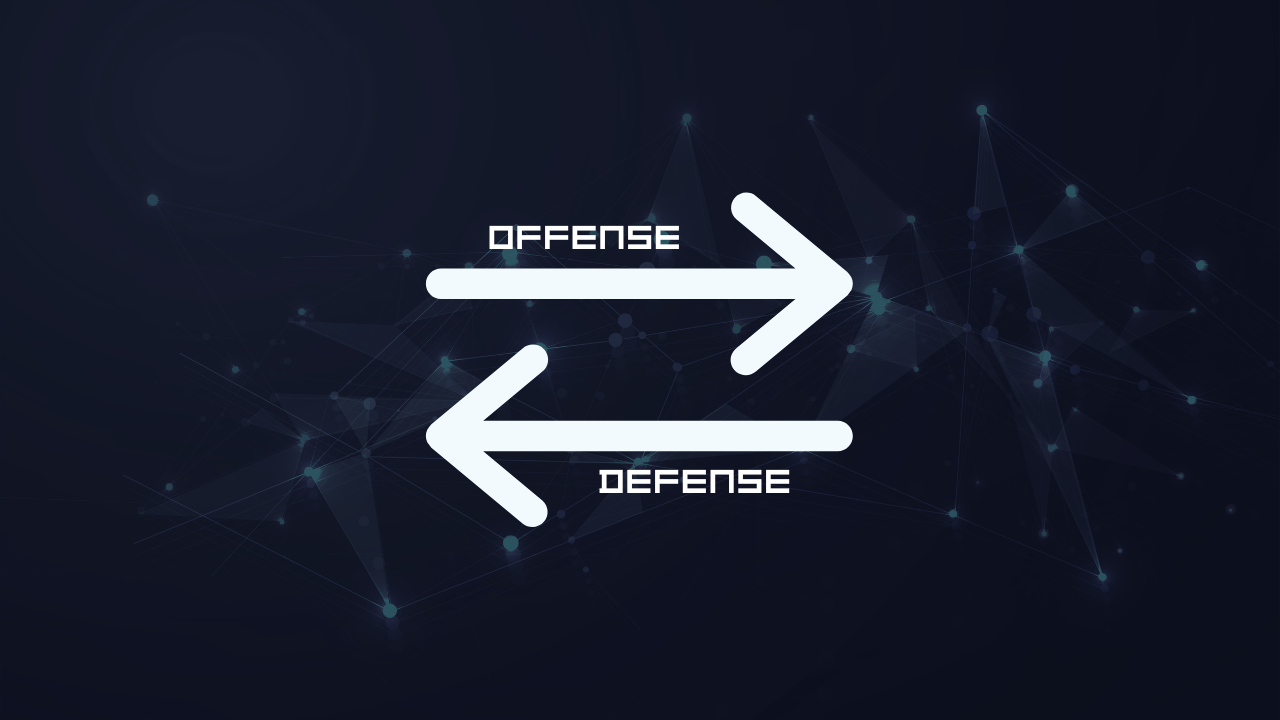
I expected Purple Team projects to be about balancing offense and defense. What surprised me was how much they changed how I think about tooling entirely.
Automation is powerful, but without awareness of how it appears in logs, it becomes a liability. Defensive visibility is not just about catching attackers. It is about understanding systems well enough to recognize when something does not belong.
Good detection is less about catching everything and more about understanding what matters.
Purple Team projects helped me connect the dots between reconnaissance, automation, and detection. They taught me that effective security lives in the space between attacker behavior and defender visibility. That perspective now shapes how I approach every project, whether it starts on the offensive or defensive side.
Posted by Davis Burrill • January 11, 2026
← Back to all posts